Articles

Borehole Drilling for Geotechnical Investigation

Essential Method for Subsurface Exploration

 
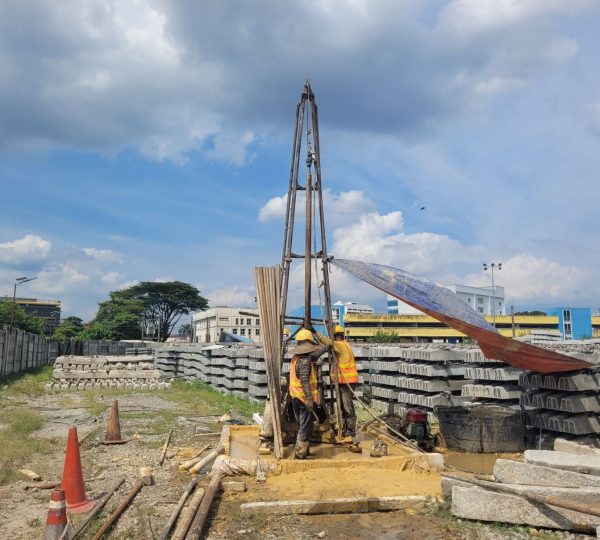
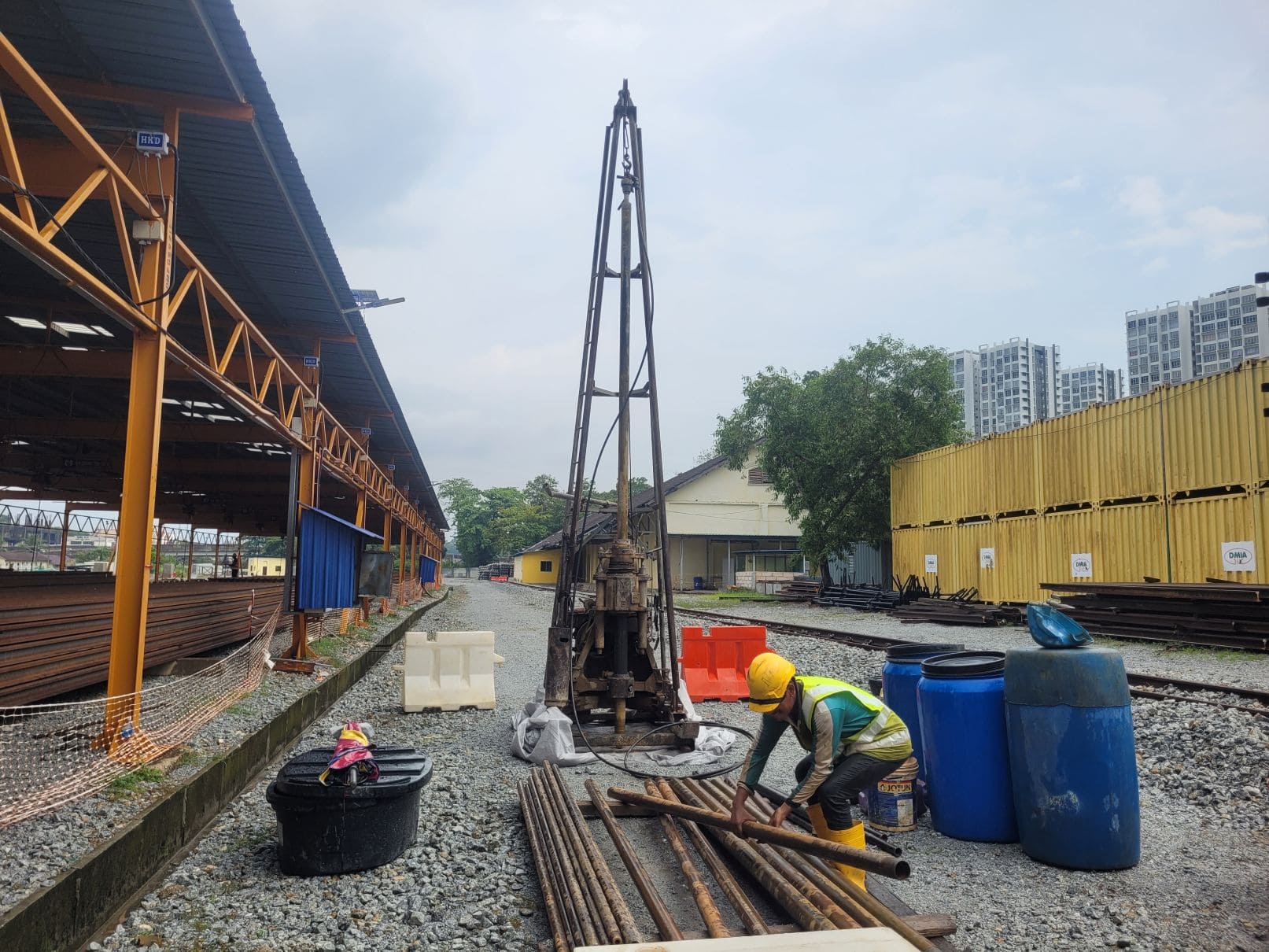
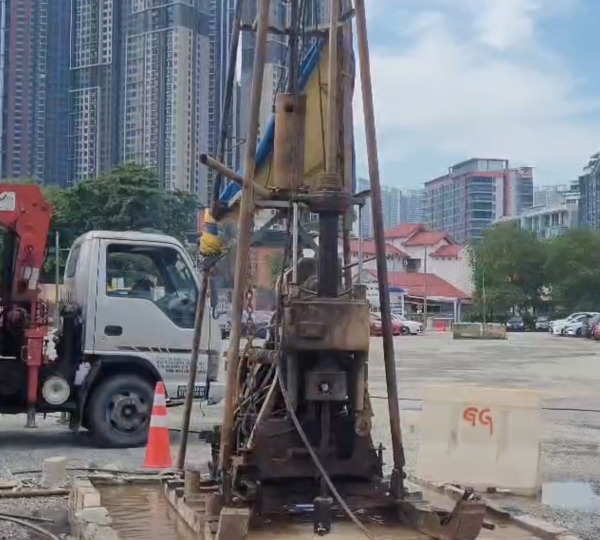
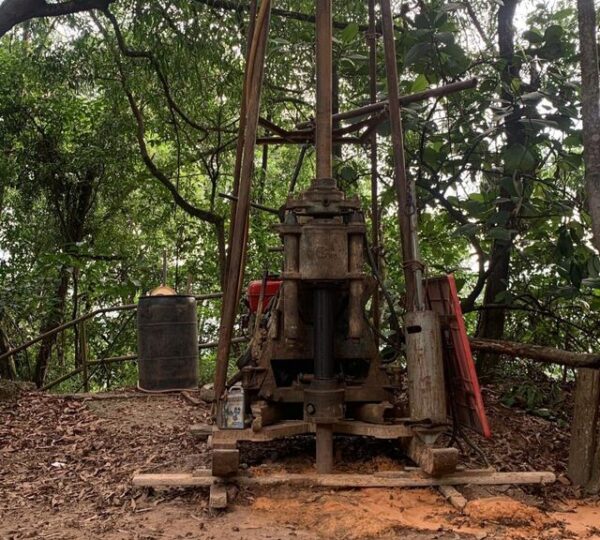
Borehole drilling is one of the most important techniques used in geotechnical site investigation. It allows engineers to examine soil and rock layers beneath the ground surface and collect samples for detailed analysis.
 
By drilling boreholes at selected locations, engineers can understand the soil profile, groundwater level, and engineering properties of the ground before construction begins.
 

What Happens During Borehole Drilling?

 
The borehole drilling process typically includes:
 
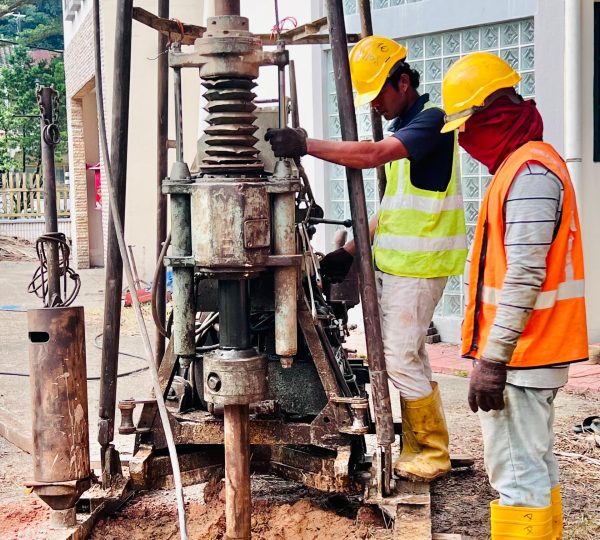
1.Drilling into the ground using specialised drilling rigs
2.Collecting disturbed and undisturbed soil samples
3.Conducting in-situ tests such as the Standard Penetration Test (SPT)
4.Recording the soil strata and groundwater conditions
 
The collected samples are then sent to a geotechnical laboratory for further testing.
 

Benefits of Borehole Drilling

 
Borehole drilling provides:
 
•Accurate soil profile information
•Reliable data for foundation design
•Identification of groundwater conditions
•Detection of weak or unstable soil layers
 

Borehole Drilling Services at Terra Axis

 
Terra Axis provides professional borehole drilling and geotechnical investigation services to support construction projects across Malaysia. Our team ensures accurate ground data for engineers, consultants, and developers.
Share:

More Posts

Mackintosh Probe Test (MPT) for Soil Investigation

The Mackintosh Probe Test (MPT) is a commonly used in-situ soil investigation method in geotechnical engineering to quickly assess ground conditions. It is widely used in Malaysia and Southeast Asia for preliminary site investigations due to its speed, simplicity, and cost-effectiveness. The test is carried out by driving a steel probe rod into the ground using

Soil Investigation in Malaysia

Understanding Ground Conditions Before Construction  Soil investigation is a critical step in any construction or infrastructure project. It involves examining the subsurface soil and rock conditions to ensure that structures are built on safe and stable ground. In Malaysia, soil conditions can vary significantly depending on location. From soft marine clay to residual soils, proper geotechnical

Soil Testing Knowledge Sharing

At Terra Axis , we believe that a strong understanding of soil mechanics is fundamental to delivering reliable geotechnical solutions. Recently, our Principal Geologist, Muhd Akhyaar Kok conducted an internal knowledge-sharing session focusing on the essentials of Soil Investigation (SI) and the critical role of geotechnical laboratory testing in understanding ground behaviour. The discussion moved